Are Backlinks the Most Important Part of SEO?
How Important Are Backlinks for SEO This Year and Can You Succeed Without Them?


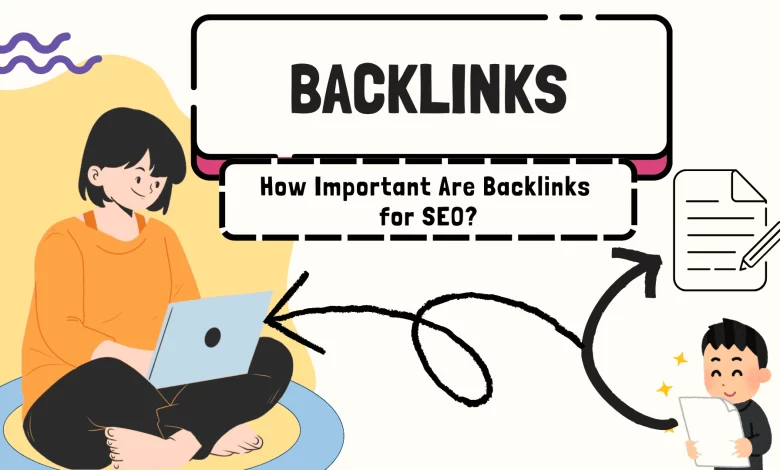
Google search engine results are so overwhelming that they require many great SEO tactics. One of these is a strong backlink strategy. In the past, backlinks were said to significantly impact your search engine rankings.
Many SEO experts believe backlinks are a crucial part of your SEO performance. But should you focus solely on getting backlinks? While backlinks can improve your search engine rankings, a backlink strategy shouldn’t be the sole tool in SEO campaign management. Furthermore, backlinks from spam sites can be worse than no links at all.
Are backlinks important for rankings? Read on to find out.
Why Are Backlinks Important?
Do backlinks play a crucial role in your SEO campaign? They’re among the most important SEO strategies. This is because backlinks tell Google you’re a genuine source of content.
When Google crawls web pages, they look for different links on the page. The more links your content has, the higher you’ll rank in search engine results. It also helps increase both your page’s authority and relevance.
You may also like this 👉 What is a WordPress Specialist and What does it do?
Your domain authority is how well your website ranks in search engine results pages, especially on major search engines like Google. Page authority refers to the ability of a specific page on a website to rank well for specific keywords or phrases. Backlinks are beneficial not only in increasing the authority of the linked page but also in improving your overall domain authority.
There are many benefits to using links. For example, they can help drive traffic to your site. If a reader is reading a blog and the blog has a link to your website, they may click on that link to visit your website.
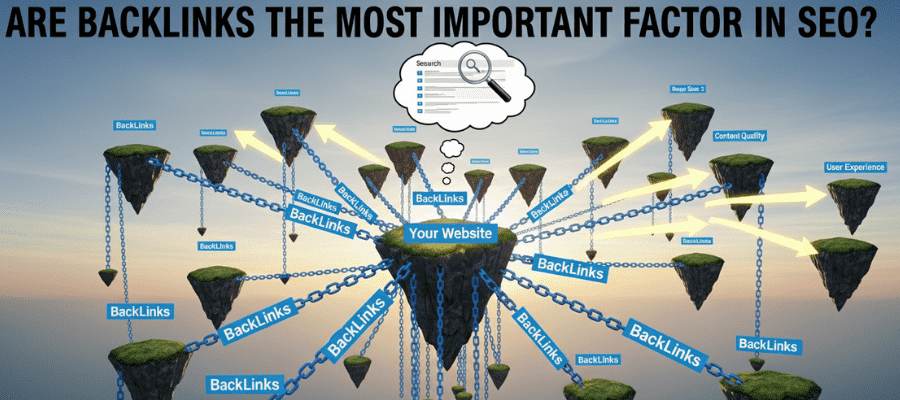
Are Backlinks the Most Important Factor in SEO?
Link building can benefit your SEO performance. But are they the most important tools in your SEO strategy? Not really. There are many factors. These include high-quality content and a great website. Additionally, these factors help improve your SEO rankings by providing links to your sites for increased backlink opportunities.
It’s time to see how different SEO techniques can help your business.
High-Quality, Impeccable Content
While this strategy may seem simple, creating great content is the key to link building success. Websites will want to provide educational and engaging content. Even if you’re not a big name in your industry, publishing unique content that others don’t have will attract their attention and encourage them to find your content.
Keep in mind that Google’s bots are getting better every day. They can identify sites run by people who spam keywords or use other poor SEO tactics. Therefore, you may need to work with an SEO expert to achieve your SEO goals. Instead, focus on creating natural content that resonates with your target audience.
Using videos, images, and charts can make your content more interesting and engaging. Videos are especially popular; I recommend incorporating them into blog posts.
You may also like this 👉 Google Vids AI: Master Video Search and Creation
You’ll see the best results when you choose a compelling topic and publish quality content. This includes writing detailed reviews, interviewing brand leaders, creating case studies, or covering any brand events or engagements. As long as your topic is relevant to your target audience, you will quickly be recognized as a brand leader.
Applying SEO Basics
Technical SEO is the backbone of any good SEO strategy. Google can penalize web pages for technical issues like broken links or pop-up ads. The search engine can also easily scan your site’s titles, meta descriptions, and headings to rank your site better.
UX & Mobile Friendliness
Today, Google places greater emphasis on a website’s design, usability, and performance. Since half of all web traffic comes from mobile devices, Google has also developed an algorithm to prioritize mobile websites.
A website’s performance, especially page load speed, is a key factor in ranking. Here are a few tools I use: Google PageSpeed, WebPageTest, and GTMetrix. If your page takes too long to load, users will abandon your website. For best results, make sure your website loads in under 3 seconds.
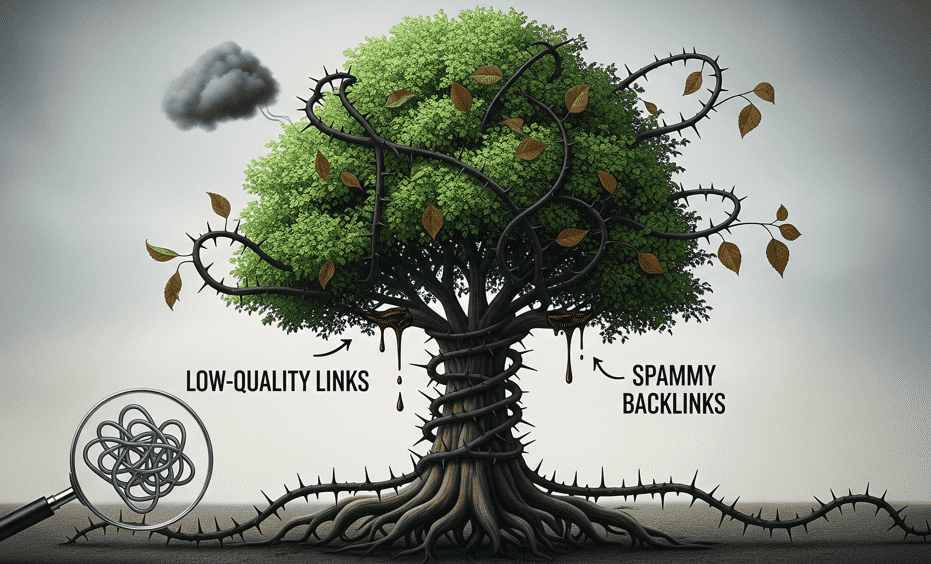
Why Do Low-Quality and Spammy Links Harm Your Site?
While businesses recognize the importance of content and website performance, many companies continue to invest in spam SEO. Links from spammy websites can negatively impact SEO performance.
A high percentage of bad backlinks can result in your website being completely removed from search results. Google also frequently updates its algorithm to detect spammy backlinks and other malicious SEO strategies.
Search engines also use a review unit to manually penalize bad websites. If you do this, you’ll need an SEO agency to help you find and avoid spammy content.
Identifying harmful backlinks is much more complex than you might think. First, your website will have a very low domain authority or page authority. However, this isn’t the only sign of an unnatural link. Other signs include multiple websites linking to the same content with unnatural links, sites that have received penalties in the past, and pages with poor placement and duplicate content.
You’ll typically need to use a combination of Google Search Console, SEMRush, Moz, and Ahrefs tools to find out if there are spammy backlinks pointing to your website.
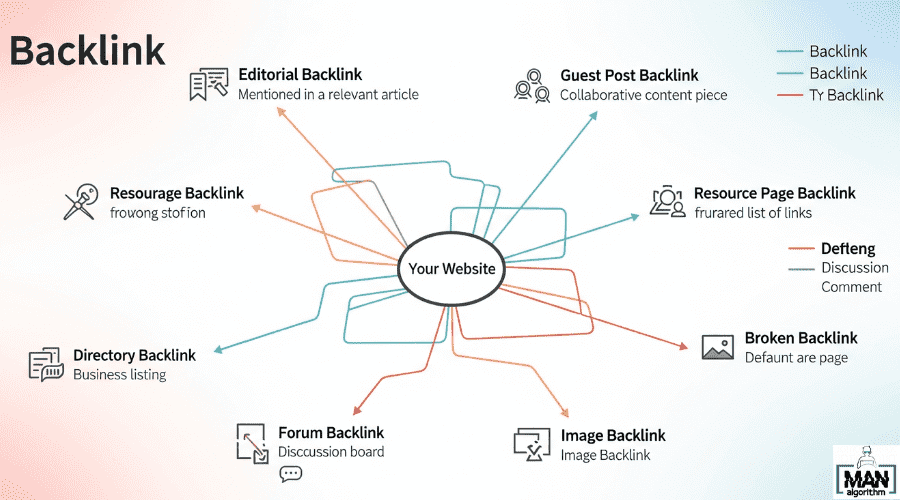
Types of Backlinks to Consider
While backlinks are still important for SEO, backlink success depends on more than just the number of backlinks you have and where they come from. Here are some factors to keep in mind.
Number of Backlinks to Your Site
High link density doesn’t always mean you need a large number of backlinks, but it does depend on the keyword phrases you use. Some keywords are very competitive and require more links, while some niche keywords will be easier to rank for with fewer links.
If you only have a few high-quality websites linking to your website, your SEO performance will be better than if you have hundreds of harmful links from irrelevant websites. Instead of getting backlinks from “unfollowed” sites, you should get backlinks from “followed” sites.
1️⃣ Spam Backlinks
-
Definition: Links from irrelevant or low-quality sites.
-
Risk: Can lead to Google penalties (Penguin update).
-
Examples: Link farms, forum spam, automatically generated content links.
2️⃣ Paid or Purchased Backlinks
-
Definition: Links bought specifically for SEO purposes.
-
Risk: Google may penalize sites if detected.
-
Note: Ethical sponsored content or PR with nofollow/UGC tags is generally safe.
3️⃣ Backlinks from Irrelevant Industries
-
Definition: Links from sites unrelated to your niche or industry.
-
Risk: Low value and may be seen as unnatural by algorithms.
4️⃣ Over-Optimized Anchor Text Links
-
Definition: Links using only exact-match keywords.
-
Risk: Seen as unnatural link profiles → possible penalty.
-
Tip: Diversify anchor texts: brand name, URL, “click here,” or natural phrases.
5️⃣ Low-Quality / Automated Sites
-
Definition: Links from forums, blog comment spam, or auto-generated directories.
-
Risk: Can hurt SEO more than help.
-
Tip: Consider using Google Disavow Tool to reject harmful links.
6️⃣ Sites with Too Many Outbound Links
-
Definition: Pages with hundreds of outbound links.
-
Risk: Link juice is diluted → low SEO value.
⚡ Summary
-
Safe backlinks: Relevant, trustworthy, low outbound links, high-quality sites.
-
Avoid: Spam, irrelevant, paid (without nofollow), or over-optimized anchor text links.
How to Increase Your Rankings Without Backlinking
There’s no doubt that backlinks will continue to be an important factor in any SEO campaign and will help your website rank better. Backlinks are often touted as the best way to achieve good SEO rankings.
High-quality backlinks from trusted sources can improve your search engine rankings, while spammy backlinks can only harm your SEO performance and even get you blacklisted by search engines.
Remember that content is always king.
What if you don’t want to build backlinks? While getting high-quality backlinks is great, focus on creating great content and having a well-built website. A few well-crafted, high-quality links pointing to an organic site are better than hundreds of toxic links pointing to a lower-quality site.
You can click on the link for other SEO content 👉Search Engine Optimization